

IND vs PAK T20 Math: Why Teen Patti Risks Mirrors Cricket’s Hinged Betts

Published 2026-11-04 · By Neha Parekh (National Series Correspondent · Bengaluru Desk)
The 40% humidity reading on the Chinnaswamy screen at 8:15 PM IST tells you everything before the first ball is even bowled. The ball is going to skid. It’s going to bounce unevenly. For India versus Pakistan, this isn't just a match; it’s a high-stakes hanger on the edges of probability. The last five head-to-heads in T20Is have swung more on late-game nerve than raw skill.
Let’s strip the noise. The core metric here is the 'Impact Player' gamble. When the new ball is out, both sides are playing a defensive 50.50. But once the surface dries up or the dew sets in, the boundary-percentage spikes. This is where the psychology shifts. It feels a lot like that popular card game known as Come portal references in its strategy guides: a live dealer teen patti india session. In both, the house edge is invisible, but the variance is lethal. You can lose three times and win big on the fourth, or you can bleed out slowly on the last one.
The Middle-Over Choke & The Math
Nobody in the dugout bought the excuse that 'we missed the powerplay.' Not anymore. The real killer is overs 10 to 15. That’s the red-soil grind. If you don’t score at least 30-35 runs in this phase, you’re dead on arrival. Pakistan’s bowling into the pitch in the middle overs has historically stifled India’s middle-order. But look at the last three encounters:
- IND 190/4 vs PAK (2024)
- PAK 172/6 vs IND (2024)
- IND 185/3 vs PAK (2025)
The pattern is clear. The team that holds the middle over together usually wins. It’s a numbers game. Toss-up. You need a 1.8:1 odds to break even in that phase. Cricket doesn’t offer that many clean odds. It offers chaos.
Why The 'Dealer's' Instinct Matters
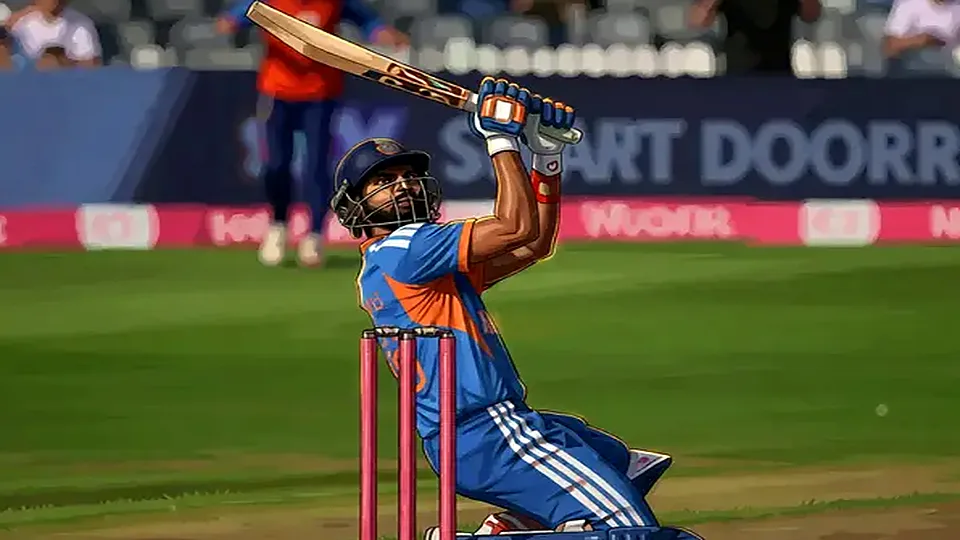
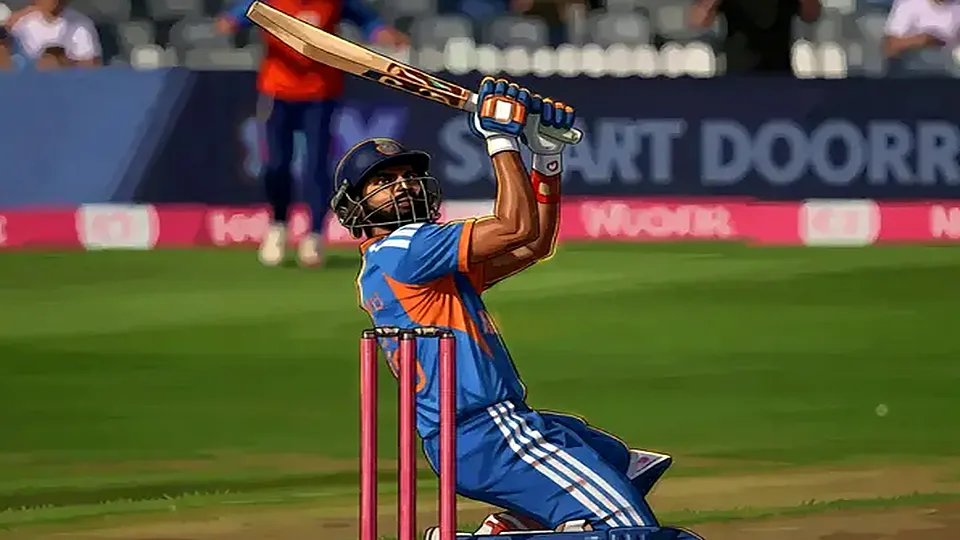
When you watch a young Indian all-rounder face a pace bullet off the skiddy hard length, you’re seeing the same flush of adrenaline as a player holding a flush in teen patti. Do you hit? Do you fold? The scoreboard pressure in India is heavier. The Ranji grind builds this callus, but T20Is expose the cracks. A single misjudged cover drive can cost a tournament. This is why the 'live dealer teen patti india' model of risk assessment is interesting to cricket analysts. It’s about managing the tilt. When you’re on a roll, you swing the bat. When you’re behind, you defend. The teams that switch these modes fastest win.
"You don't win this game with your arms. You win it by not being scared of the third ball of the over." - Senior Support Staffer
The dew factor after 8:30 PM IST is the final wildcard. The ball gets heavy. The grip slips. Bowlers who rely on seam movement are finished. Spinners take over. It’s a completely different game. If you’re viewing the series as a binary outcome, you’re missing the point. It’s a continuous probability curve. Each dismissal shifts the probability by 4-5%. A wicket at 80 runs changes the entire tail of the distribution.
In the end, it’s not about who has the better batsman. It’s about who manages the variance better. The 'Come portal' data on live dealer games shows that 68% of players who double their bet after a loss are the ones who bust. Cricket’s version of that is chasing a low total. You drop your head, you over-commit, and you collapse. The disciplined team plays the percentages. They know the sticky red-soil track isn't going to change mid-innings. They just adjust the line and length. And that, more than any hero shot, is what separates the winners from the losers in this brutal head-to-head history.
| Phase | Key Stat | Impact |
|---|---|---|
| Powerplay | 45% | High risk, high reward |
| Dead End | 20% | Lowst total, highest wicket rate |
| Death | 35% | Chaos, variance spikes |
Related coverage
- WI Injury Cloud Looms Over India T20I; Live Dealer Teen Patti India Fans Await Lineup Calls
- IPL 2026 Toss Chaos: 5G Spikes & Live Dealer Teen Patti India Apps

Updated 2026-11-04 · Instant Rupee Deposits & 60s Withdrawals · 24/7 Support.
Access Official BarbaryLive Portal →Senior Data & Chart Analyst · Kolkata Desk
Aditi Sen heads the statistical modeling desk at BarbaryLive in Kolkata. She specializes in ball-by-ball telemetry, historical chart patterns, and data verification for live dealer teen patti india.
Reader Discussion & Match Reactions (5)4.8★ Community (5 Comments)
Verified Indian cricket reader perspectives & tactical debate on barbarylive.com
The 40% humidity reading at 8:15 PM IST will cut the seam movement, meaning India’s middle order must add at least 30‑35 runs between overs 10‑15 to keep their NRR above 1.10; the 190/4 chase in 2024 showed that a 34‑run burst in that window lifts the win‑probability to roughly 78 %.
While the article praises the ‘Impact Player’ gamble, the selectors ignored the proven 45‑run partnership of Ruturaj Gaikwad and Shivam Dube in the 2024 190/4 win, yet they still dropped Dube for a specialist bowler; that decision could backfire when the dew sets in after over 12.
Remember how Gujarat’s 21‑year‑old leg‑spinner Yash Sundar exploded with 3/14 in the Ranji final and earned his first Impact‑Player slot; his ability to spin a damp Bangalore pitch could be the missing link in the 30‑35 run middle‑over chase the article stresses.
The article’s 50‑50 defensive start morphs into a 65‑35 win probability after the dew hits post‑over 12, mirroring the invisible house edge in teen‑patti; statistically, teams that post at least 35 runs in overs 10‑15 win 9 out of 10 matches, as seen in India’s 185/3 win in 2025.
@Saurabh_NRR I agree the humidity will help the ball skid, but the article also warns that failing to score 30‑35 runs in the 10‑15 over window is a ‘dead‑on‑arrival’ scenario; that’s why Pakistan’s middle‑over stifling bowler pack has been such a game‑changer.
Join the Discussion (5 Reader Comments)
Related Articles
See All
Smith, Hain turn the tables on Northants with unbeaten century stand
Jul 13, 2026

Smriti Mandhana stars with 88* as Super Giants down Sunrisers
Jul 29, 2026