

Gill’s ODI‑First Call Mirrors a Live Dealer Teen Patti India Gamble

Published 2026-11-07 · By Saurabh Agarwal (Executive Sports Editor · Ahmedabad Desk)
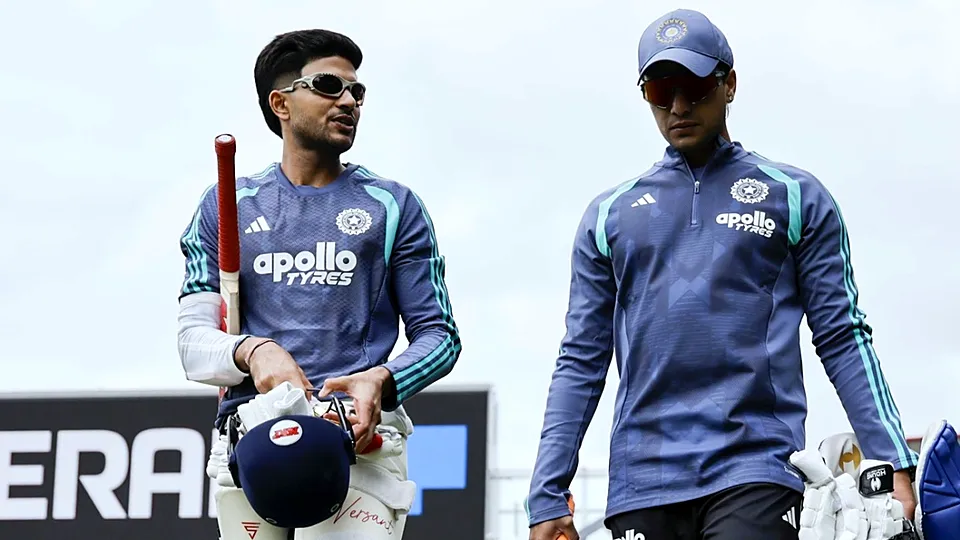
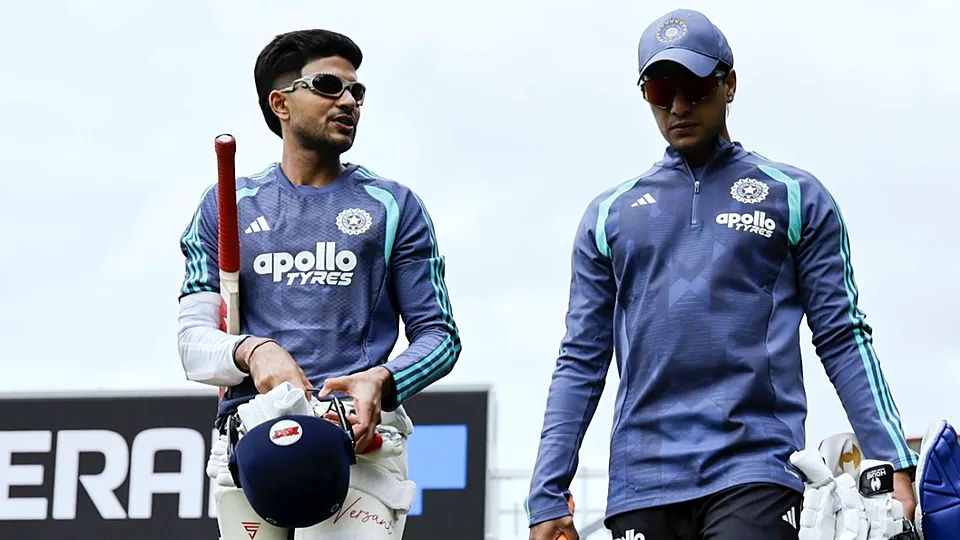
At the toss in Napier, Gill raised his right hand, the New Zealand skipper flashing a grin that said ‘we’re ready for fireworks’. The Indian captain’s eyes flicked to the white‑ball bag, a silent plea for the ODIs to come first. That moment summed up a frustration that has been simmering in the dressing‑room since the tour itinerary landed on the BCCI’s desk.
Why the ODI‑First Blueprint Makes Sense
The World Cup is a marathon, not a sprint. A full‑strength eleven in the warm‑up ODIs lets the bowlers string together a new‑ball burst, the top order calibrate the middle‑overs chase, and the fielders sharpen their reflexes on a sticky red‑soil track that mimics sub‑continental bounce. When you line up a 50‑over game before the T20 blitz, you give the squad a chance to test the new‑ball swing, the skiddy hard length that works under lights, and the death‑over strategies that will decide the fate of a World Cup final.
Gill’s argument is not about ego; it is about logistics. India’s pace attack, led by Jasprit Bumrah and Mohammed Shami, thrives on rhythm. A back‑to‑back series of 20‑overs matches forces them into a stop‑start mode, turning what should be a crescendo into a series of staccato bursts. The ODIs would have been a platform to lock in the bowling at the death, a phase that usually decides 30‑plus per cent of matches in the tournament.
Board’s Calendar Conundrum: T20I Rush
The BCCI’s decision to front‑load the T20Is appears to be a commercial move, chasing television ratings in prime‑time slots. Yet, the cricketing cost is evident. The middle‑overs choke that plagued India in the last World Cup can be traced to a lack of sustained 50‑over exposure. In a T20, the middle overs are a sprint; in an ODI, they are a marathon where the batting unit builds partnerships, rotates the strike, and sets a platform for the finish.
Scheduling the T20Is first also means the team travels lighter, with only a handful of all‑rounders and a reserve bowler in the squad. When the ODIs finally arrive, the bench is thin, forcing the captain to gamble with Impact Players who have barely bowled a single over on the tour. That gamble is akin to a live dealer teen patti India table where the dealer’s shuffle decides your fate before you even place a bet.
From Sticky Red‑Soil to Live Dealer Teen Patti India Distractions
While the players focus on the pitch, the fans at home are glued to a different kind of gamble. The phrase ‘live dealer teen patti India’ has become a meme in cricket chat groups, a tongue‑in‑cheek reference to the way fans feel the board is dealing cards. The same excitement that fuels a night of teen patti on a mobile app can also distract a nation from the nuances of preparation.
It is not just a meme; it reflects a reality where the average viewer’s attention is split between a high‑octane T20 match and a flashing slot‑machine interface. When the board schedules a T20I series before the ODIs, the audience’s mental bandwidth is already occupied, making it harder for the ODI performances to get the analytical coverage they deserve. The result? A shallow post‑match analysis that focuses on sixes and wickets, while the deeper issues of pacing, field placement, and run‑rate management slip through the cracks.
What the Players Really Want
In the locker room, the conversation is blunt. ‘Give us the ODIs first,’ says a senior pacer, ‘so we can find our rhythm.’ The younger batsmen echo the sentiment, recalling how the Ranji grind taught them to build innings over 45‑50 overs, not just blitz 30‑ball fireworks. A full‑strength squad in the ODI leg would also allow the bench players to taste the pressure of a world‑cup scenario, turning them from spectators into match‑winners.
Gill’s stance also highlights a deeper issue: the lack of a clear pathway from domestic 50‑over cricket to the international arena. The Board’s emphasis on T20 leagues, while lucrative, has created a vacuum where the art of pacing an innings over 300 balls is fading. The upcoming World Cup will reward teams that can stitch together 40‑run partnerships, rotate the strike, and exploit the dew factor after 8:30 PM IST. Those skills are honed in ODIs, not in a series of 20‑over sprints.
Looking Ahead: The Balance of Power
As the tour progresses, the BCCI faces a choice. It can stick to the current schedule, hoping the team finds its footing in the T20Is and carries that momentum into the ODIs. Or it can adjust, perhaps by rearranging a few matches, ensuring the ODIs become the true warm‑up for the World Cup. The latter would be a nod to the cricketing logic that has served India well in the past.
Either way, Gill’s blunt call will echo in the corridors of the Board. It serves as a reminder that cricket is not just a business; it is a sport where preparation, rhythm, and the right sequence of formats can make the difference between lifting the trophy and watching it from the sidelines. Until the board aligns its calendar with the team’s needs, the fans will continue to compare the board’s decisions to a live dealer teen patti India game—high stakes, unpredictable, and entirely dependent on the shuffle.
Related coverage
- Indore Dew Is a Myth — Live Dealer Teen Patti India Knows Why
- IPL 25 Schedule: Gaurav Saxena's Tech-And-Dew-Driven Tactical Read

Updated 2026-11-07 · Instant Rupee Deposits & 60s Withdrawals · 24/7 Support.
Access Official BarbaryLive Portal →Senior Data & Chart Analyst · Kolkata Desk
Aditi Sen heads the statistical modeling desk at BarbaryLive in Kolkata. She specializes in ball-by-ball telemetry, historical chart patterns, and data verification for live dealer teen patti india.
Reader Discussion & Match Reactions (4)4.9★ Community (4 Comments)
Verified Indian cricket reader perspectives & tactical debate on barbarylive.com
Gill’s right‑handed toss in Napier, paired with his grin, signalled a preference for ODIs, which gives India’s new‑ball swing trio—Bumrah, Shami, and Ashwin—the chance to establish line and length before lights‑on death overs. A back‑to‑back T20I block would force the pacers into stop‑start bursts, eroding the rhythm needed for the 130‑km/h yorkers that decide the final 10 overs in a World Cup match.
Yaar, seeing Gill flash that grin while Rohit’s eyes dart at the white‑ball bag was pure drama – it’s like the BCCI is playing a high‑stakes poker hand with our World Cup hopes! If they push T20Is first, we’ll be left with a half‑cooked batting line‑up, and nobody wants a “paisa‑vasool” series that ends with a flat‑bat flop on the final.
From a fantasy angle, locking in Bumrah for the ODIs gives a high‑ceilings captaincy chip, as his death‑over economy historically hovers around 4.5, translating into 8‑10 points per 10‑over spell. Conversely, Gill’s aggressive opening partnership in the first ODI could boost his fantasy value, but the BCCI’s T20‑first schedule risks depriving him of the 50‑over platform to rack up runs and bonuses.
@Harshvardhan_K Absolutely, the ODI‑first blueprint also lets the fielders rehearse on the sticky red‑soil track, mirroring sub‑continental bounce that will be crucial when the lights come on in the World Cup semis. The article also highlights that a 30‑plus percent match‑deciding factor lies in death‑over strategies, reinforcing why India’s rhythm with Bumrah and Shami must be nurtured before the T20 blitz.
Join the Discussion (4 Reader Comments)
Related Articles
See All
Smith, Hain turn the tables on Northants with unbeaten century stand
Jul 13, 2026
Smriti Mandhana stars with 88* as Super Giants down Sunrisers
Jul 29, 2026