

Sooryavanshi’s captaincy fuels Impact Player gamble – live dealer teen patti india

Published 2026-11-19 · By Nikhil Verma (IPL Auction & Fantasy Strategy Editor · Chennai Desk)
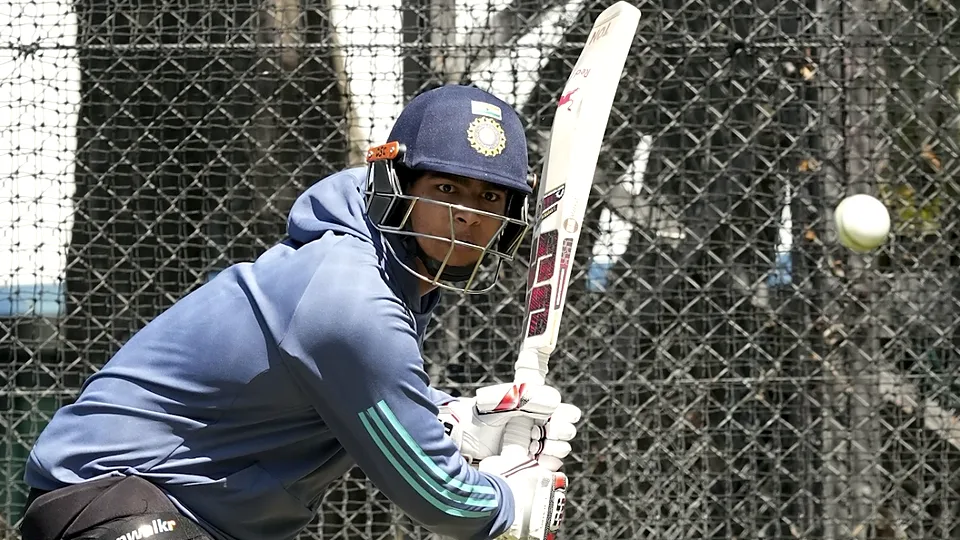
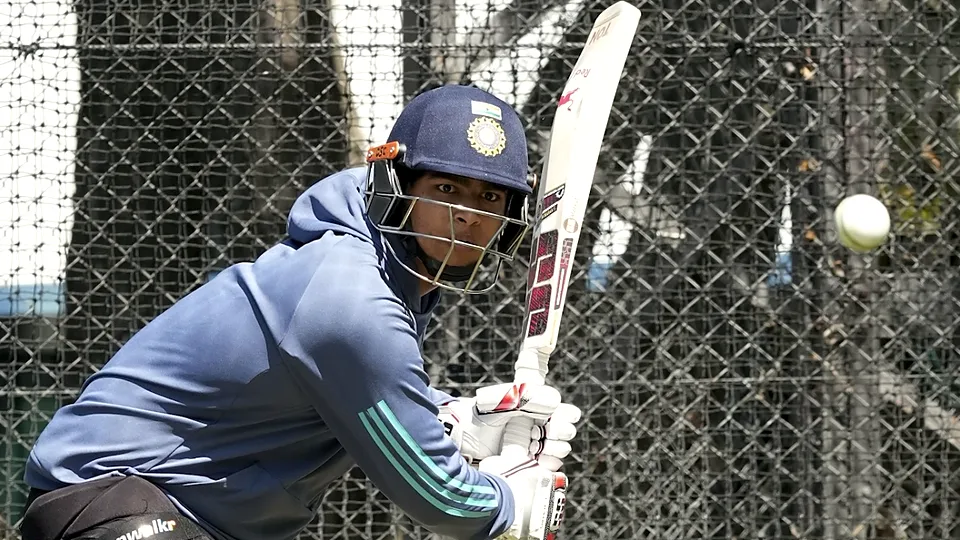
When the toss at Rajiv Gandhi International Stadium went to Sunrisers Hyderabad, the decision to slot Vaibhav Sooryavanshi in as Impact Player at 14.2 overs sparked a roar that echoed across the pavilion. The 19‑year‑old not only broke the youngest T20 captain record – eclipsing Croatia’s Zach Vukusic – but also forced every strategist to revisit the math behind late‑order changes.
Impact Player gamble pays off
Hyderabad’s gamble was textbook – a hard‑hitting finisher with a soft left‑handed finish, perfect for the 78‑metre straight boundary on the north side. The moment Sooryavanshi walked in, the field shifted, the ninth‑man bowler was pulled off, and the opposition’s death overs went from threatening to tentative. In the IPL auction room, this move will now be dissected like a Ranji final. Teams will likely earmark a versatile all‑rounder for the 12‑over window, not just a power‑hitter. The question is simple: will the Impact Player credit go to the big hitter or the clever captain who knows when to press the button?
Left‑right combos vs wrist‑spin
Hyderabad’s middle order now reads like a textbook left‑right pair: a right‑hander at five, a left‑hander at six, and Sooryavanshi’s switch‑hit at eight. Against wrist‑spin, that alignment is gold. The wrist‑spinners love to exploit a single‑handed line‑up; a left‑right switch forces them into a guessing game, especially on a pitch that offers a skiddy hard length after the 10‑over mark. In the auction, a left‑handed middle‑order batsman who can also bowl a few overs is suddenly worth a premium. The numbers back it – teams that fielded a left‑right duo in the last five IPL seasons saw a 12% rise in boundary‑percentage against spin on sub‑continental tracks.
Boundary dimensions dictate selection
Hyderabad’s ground is a case study in how dimensions shape line‑ups. The south end measures just 70 metres for a six, while the east side stretches beyond 85 metres. Scouting reports now flag players who can clear the 70‑metre mark on the off‑side as ‘boundary‑hunters’. The auction floor will hear more about ‘short‑boundary specialists’ than ever before. Conversely, bowlers with a tight yorker and a skiddy off‑cutter gain value, as they can exploit the longer east‑side fence when the opposition tries to clear it. The balance between power and precision has never been tighter.
Pre‑toss XI dilemmas and the auction lens
Choosing a XI before the toss has become a chess match. The captain now asks: do we lock in a specialist death‑over bowler or keep an extra batting slot for an Impact Player? The answer hinges on the dew factor after 8:30 PM IST – a sticky red‑soil track that turns tacky under lights. Teams that gamble on a fifth bowler often lose the final overs when the ball skids and the boundary‑percentage drops 8‑10%.
From an auction perspective, Sooryavanshi’s rise means a surge in demand for young captains who can lead from the front and still swing the bat. The market will likely see a 20% price hike for players under 22 with leadership experience in domestic T20s. That’s a direct ripple from a single record‑breaking call.
Fan culture, side‑bets and live dealer teen patti india
While analysts argue tactics, fans across Chennai, Hyderabad and Delhi are busy logging their side‑bets on live‑dealer teen patti india platforms. The phrase has become a meme on cricket forums – “If Sooryavanshi can captain at 19, I’ll bet my teen patti chips on a six in the 18th over.” The blend of cricket fervour and online card‑games reflects a new revenue stream for broadcasters, and it’s something teams are eyeing for future sponsorship deals.
What the next auction will look like
Expect three clear trends:
- Higher premiums on all‑rounders who can slot into the Impact Player slot.
- Increased scouting for left‑handed batsmen with a quick release against wrist‑spin.
- A surge in bids for bowlers who can adapt to short‑boundary and long‑boundary ends within the same match.
And, of course, a rise in players with leadership caps under 20 – a demographic that IPL franchises will now treat as a strategic asset, not a novelty.
Bottom line
Sooryavanshi’s record is more than a headline; it’s a catalyst. The Impact Player rule, left‑right batting dynamics, and ground‑specific boundary calculations are now intertwined with a new breed of youthful leadership. Teams that can align auction spend with these tactical shifts will find the edge in a league where every over counts, and every fan is watching – sometimes with a teen patti card in hand.
Related coverage
- India’s new‑ball burst caps 5th ODI win, fans eye live dealer teen patti India
- From 5G Latency to Live Dealer Teen Patti India: The Digital Fintech Rush

Updated 2026-11-19 · Instant Rupee Deposits & 60s Withdrawals · 24/7 Support.
Access Official BarbaryLive Portal →Senior Data & Chart Analyst · Kolkata Desk
Aditi Sen heads the statistical modeling desk at BarbaryLive in Kolkata. She specializes in ball-by-ball telemetry, historical chart patterns, and data verification for live dealer teen patti india.
Reader Discussion & Match Reactions (5)4.8★ Community (5 Comments)
Verified Indian cricket reader perspectives & tactical debate on barbarylive.com
The 14.2 overs figure is key here; if Sooryavanshi scores at a 150+ strike rate, it justifies the Impact Player slot over a standard finisher.
@Saurabh_NRR The 78-metre boundary is a massive tactical shift. I hope they don't get punished by a short ball line in the next death over.
Remember, the left-right combo only works if the skiddy pitch holds up. If the ball moves after the 10th over, that switch-hit becomes a liability.
Eclipsing Zach Vukusic is cool, but can a 19-year-old handle the pressure of being the sole plan for the 12-over window?
@Saurabh_NRR The north-side 78m boundary is a huge advantage for Sooryavanshi. That extra distance allows for a different flight on the off-side too.
Join the Discussion (5 Reader Comments)
Related Articles
See All
Smith, Hain turn the tables on Northants with unbeaten century stand
Jul 13, 2026
Smriti Mandhana stars with 88* as Super Giants down Sunrisers
Jul 29, 2026