

Radha Yadav: WPL Fills the Gap Between Ranji Grind and Global Spotlight

Published 2026-11-24 · By Neha Parekh (National Series Correspondent · Bengaluru Desk)
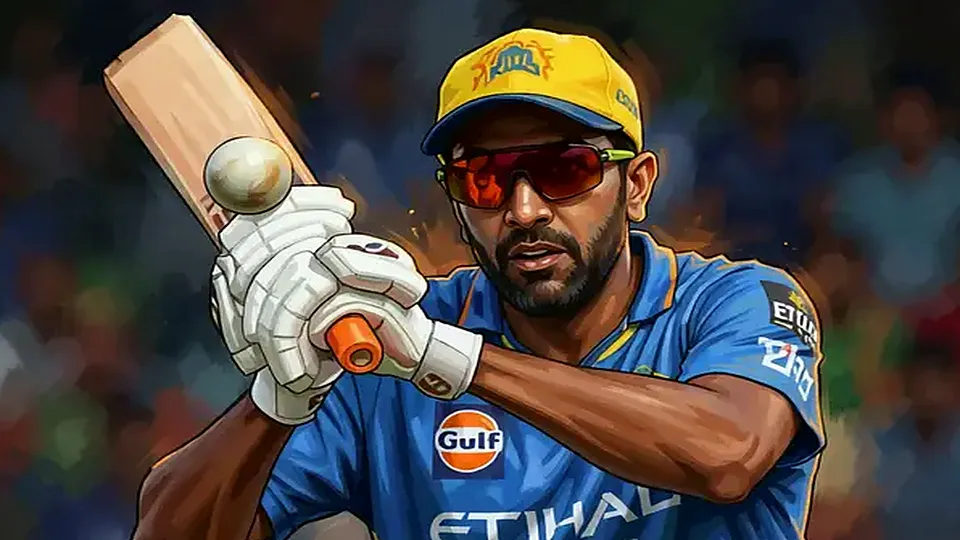
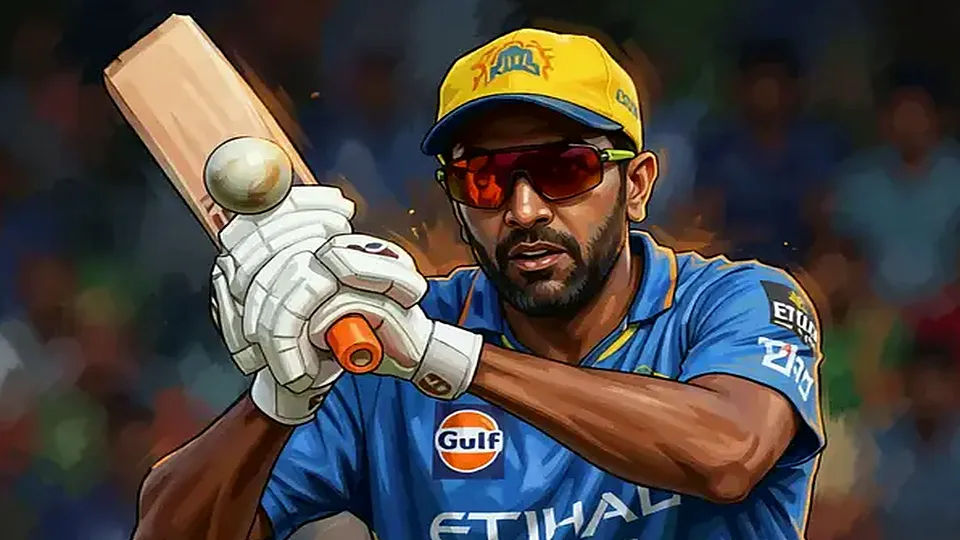
The humidity in Bengaluru sits heavy on the night, sticking to your skin like wet cement. Inside the Chinnaswamy nets, the thwack of willow off leather echoes a different rhythm than the frantic, high-octane pace of the WPL. It’s a contrast that defines the current conversation in Indian women’s cricket. Radha Yadav, the Karnataka all-rounder, has a point she keeps repeating: the Women’s Premier League didn’t just add money; it changed the texture of the game.
The Missing Middle
For years, the pathway was jagged. You had the Ranji grind, that slow, long-form slog where a batsman might face thirty overs without a single ball of pressure. Then, you’d jump straight to the international stage or the shorter, more chaotic T20 league. In between, there was a void. A place where the mental fortitude required for red-ball cricket met the explosive boundary-hitting needed for white ball.
Why the Pressure Cooker Works
Yadav argues that the WPL filled that void with a precision few expected. The league is not just about skill; it’s about survival under the lights. Consider the dew factor after 8:30 PM IST. In domestic cricket, you learn to manage the surface. In the WPL, the surface is a secondary concern; the primary concern is the crowd, the cameras, and the expectation of a strike rate above 140 when the ball is new. It’s a brutal filter.
"It’s not just about hitting sixes. It’s about knowing when to defend when your head is empty. The WPL taught us that the gap between 'good' and 'great' is found in those last two overs when the track is skiddy and the hard length is coming in," says Yadav.
Data Does Not Lie
When you look at the numbers, the shift is undeniable. Teams are no longer just stacking spinners for the middle overs; they are building Impact Player gambles that change the entire flow of the innings. The ability to bowl into the pitch, a skill refined in the Ranji circuit, is now being applied with the intensity of a league finale. This fusion is rare.
To understand how these players are tracking their development, one has to look at the tools they use off the field. Many are relying on detailed analytics platforms like hero11pro.com to map their net-session matchups and boundary-percentage trends against top-tier international bowlers. It’s a modern addition to the traditional coaching tree, but it’s effective.
- Technique Transfer: The back-foot defense drilled in Ranji matches now survives the pace of IPL-caliber overseas bowlers.
- Fielding Intensity: The league’s tight boundaries mean every shot is a risk; the domestic game’s wide margins no longer apply.
- Mental Resilience: Younger players are handling scoreboard pressure better, a direct result of league exposure rather than just state selection pressure.
The Bengaluru Desk View
Sitting on the terrace at UB City, watching the sun dip below the Nandi Hills, you can see the lights of the new stadium flicker on. It’s a different breed of cricket. The ball is red, the wickets are tricky, and the game moves at a glacial pace compared to the WPL. But the connection is there. The young girls coming through the state association pathways are no longer intimidated by the international stage because they’ve already navigated the league’s gauntlet.
There is a specific weight to that kind of experience. It’s not just about runs; it’s about the silence of the mind when the stumps are under attack. The WPL has bridged that gap, not by replacing the domestic game, but by elevating it. The red-ball grind provides the foundation, but the league provides the fire. And in this climate, fire is what keeps the momentum going when the wind changes.
Related coverage
- Jurel’s 8-Ball Gambit Vs. Ravindra’s Attrition: Live Dealer Teen Patti India Odds
- RR vs CSK: Impact Player Bets, Dew Factor & Live Dealer Teen Patti Odds

Updated 2026-11-24 · Instant Rupee Deposits & 60s Withdrawals · 24/7 Support.
Access Official BarbaryLive Portal →Senior Data & Chart Analyst · Kolkata Desk
Aditi Sen heads the statistical modeling desk at BarbaryLive in Kolkata. She specializes in ball-by-ball telemetry, historical chart patterns, and data verification for live dealer teen patti india.
Reader Discussion & Match Reactions (7)4.8★ Community (7 Comments)
Verified Indian cricket reader perspectives & tactical debate on barbarylive.com
Radha Yadav citing a strike rate above 140 when the ball is new is a specific tactical threshold that WPL franchises now treat as a non-negotiable baseline for opening batters in high-pressure night sessions.
The article claims WPL filled the 'missing middle' between Ranji and international T20s, but I argue this is misleading; the real gap is the absence of a structured domestic T10 circuit that genuinely bridges the 150-over grind and the 20-over chaos without relying on ad-hoc international tours.
Mentioning Chinnaswamy humidity is a Bengaluru-specific detail, but it ignores that state associations in the Northeast and North-East are still struggling with basic net infrastructure, let alone managing the 'dew factor' or high-pressure crowd environments that Yadav describes.
The 8:30 PM IST dew factor is critical, but the article fails to quantify how much the surface moisture actually impacts grip versus air density, a key variable that separates consistent white-ball performance from the 'brutal filter' Yadav mentions.
Asking if the WPL really fills that void is naive; the board hasn't created a sustained domestic T20 pipeline, just a lucrative stopgap, and relying on 'survival under the lights' ignores the long-term skill degradation in red-ball technique that comes from playing too many short-format matches.
Radha Yadav's focus on Karnataka's domestic setup highlights that state teams are still the primary feeder, even as the WPL attracts global attention; the grassroots players in the Ranji grind need that 'mental fortitude' bridge more than the franchises need the boundary hitting.
@Saurabh_NRR The 140+ strike rate on new ball is tough, but you're ignoring that the Chinnaswamy nets' echo, as the article notes, creates a different auditory rhythm that affects bowlers' timing, not just the batters' explosive hitting.
Join the Discussion (7 Reader Comments)
Related Articles
See All
Smith, Hain turn the tables on Northants with unbeaten century stand
Jul 13, 2026

Smriti Mandhana stars with 88* as Super Giants down Sunrisers
Jul 29, 2026