

Neha Parekh: From Brabourne Dew to Seoul Quotas – The Real Gamble on Asian Games 2026

Published 2026-11-19 · By Neha Parekh (National Series Correspondent · Bengaluru Desk)
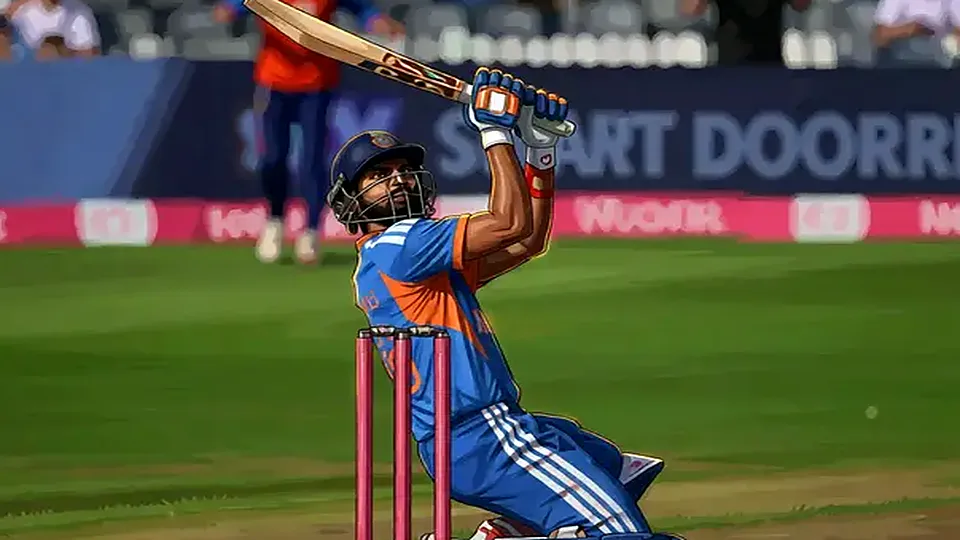
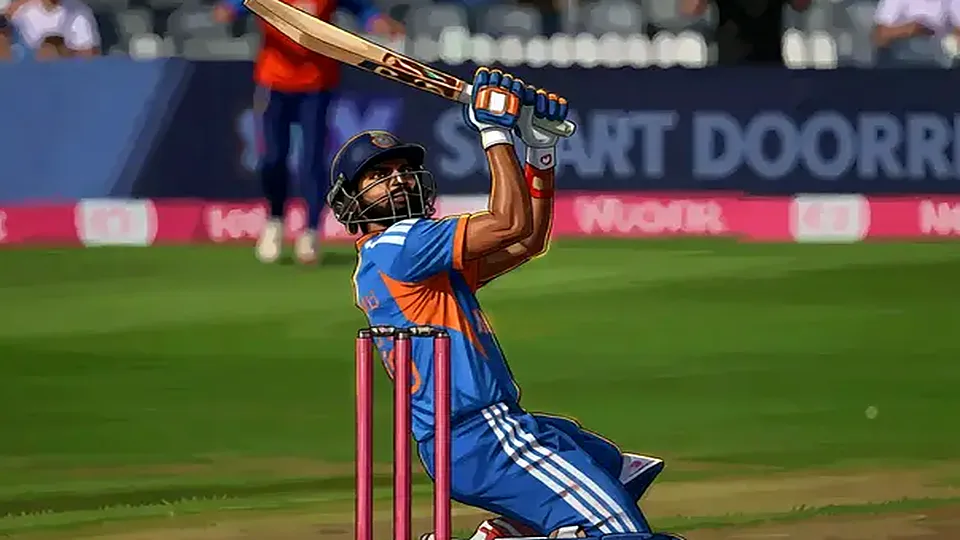
The humidity at the Chinnaswamy ground usually breaks around 9 PM, but the pressure in the dressing room doesn't wait for the air conditioning to kick in. We are staring down October 3, 2026. The calendar says it is the Cricket final of the Asian Games, but for the twenty-three players on the squad list, it feels like a Ranji final with the entire country watching over their shoulders.
Nobody in the dugout is playing for points anymore. The math is simple: you win, you keep the momentum; you lose, the narrative shifts to "why us?" It’s a delicate balancing act, much like a high-stakes hand of live dealer teen patti, where you must read the opponent’s next move before the cards are even fully turned. One misread, and the deck collapses.
Why the Final Overs Will Be Decided by Nerves
Coaches talk about "pressure," but that is a sterile word. It is the heavy silence when the ball is in the air. It is the squeak of rubber on willow. I remember watching a young Bengaluru fast-bowler, just nineteen, struggle with his run-up in the net sessions last week. His coach didn't shout. He just stood there, watching the ball release. "Your rhythm is breaking," he said. "Find the pocket." That is the essence of this tournament. It isn’t about raw pace; it is about the pocket. The spot where the bowler finds his timing.
India’s squad has a mix of veterans and raw, untested talent. The state-association pathways have produced players who can handle the grind, but can they handle the global stage? The Asian Games aren't the IPL. There are no ball boys, no giant LED screens behind every bowler. Just the green, the crowd, and the weight of expectation. It’s a stark, brutal environment that strips away the polish.
"You don't need to be perfect. You just need to be one step ahead of the next ball," said the captain during the pre-match briefing, his voice low, barely audible over the hum of the fans. "Trust the process. Trust the practice."
The process is what separates the top tier from the middle pack. In the Ranji grind, you have four days. Here, it is a single, frantic afternoon. The boundary-percentage matters less than the strike rate under pressure. Can you accelerate when the dew factor kicks in? Can you bowl into the pitch when the track is skiddy? These are the questions that keep players up at night, staring at the ceiling in their hotel rooms in Seoul.
Hockey and Archery: The Quota Game
While cricket steals the spotlight, the real Olympic quota battles are being fought on the hockey field and the archery range. These are not just sports; they are gateways. A single shot, a single save, and you are looking at Paris or LA. The margin for error is zero. It is like holding a flush in poker—you know the hand is strong, but you still need to call the bluff. You have to commit.
Indian hockey has a long history of producing heroes, but the current cycle is different. The players are faster, the fitness standards are higher, and the tactical acumen is sharper. The net sessions I watched this week were intense. There was no shouting, just sharp, clipped instructions. "Left foot, early." "Screen and hold." It was a language of its own, spoken in whispers and sprints.
Archery, on the other hand, is a sport of absolute solitude. The archer stands alone, the wind against their face. It is a mental game more than a physical one. Can you hold your breath when the crowd is roaring? Can you block out the noise? It is a skill that translates directly to the cricket pitch. The focus is identical.
- The Cricket Angle: India’s batting lineup is deep, but the middle-overs gap remains a concern. The transition from the powerplay to the death overs needs to be seamless, or rather, seamless enough to hide the wickets lost.
- The Hockey Quota: The final match against Pakistan will decide the Olympic spot. It is a rivalry that transcends sport, a cultural clash that has been building for decades.
- The Archery Pathway: Young talents from Punjab and Haryana are pushing the senior players. The depth of talent in this country is staggering, but the support systems are not always there.
As we move into the final days, the air is thick with anticipation. The nets are packed, the players are tired, and the minds are sharp. It is a delicate dance, a tightrope walk between confidence and caution. You push too hard, and you break. You pull back, and you lose your edge.
There is a reason why the best players are the calmest. They have seen the storm before. They have played the high-stakes hand and won. Or lost. It doesn't matter. What matters is that they are here, ready to play. The ball is in the air. The next move is theirs. The rest is just waiting for the result. And in the end, that is all any of us can do. Watch. Wait. And hope for the best. The clock is ticking, and the game is on.
Related coverage
- Sooryavanshi’s captaincy fuels Impact Player gamble – live dealer teen patti india
- India’s new‑ball burst caps 5th ODI win, fans eye live dealer teen patti India

Updated 2026-11-19 · Instant Rupee Deposits & 60s Withdrawals · 24/7 Support.
Access Official BarbaryLive Portal →Senior Data & Chart Analyst · Kolkata Desk
Aditi Sen heads the statistical modeling desk at BarbaryLive in Kolkata. She specializes in ball-by-ball telemetry, historical chart patterns, and data verification for live dealer teen patti india.
Reader Discussion & Match Reactions (4)4.8★ Community (4 Comments)
Verified Indian cricket reader perspectives & tactical debate on barbarylive.com
The article praises the 23‑player squad for the Oct 3 Asian Games final, yet BCCI’s choice to slot a raw 19‑year‑old Bengaluru pacer over a seasoned Ranji performer looks like a board‑politics gamble that could unravel under Chinnaswamy’s humidity‑driven pressure.
Describing the Asian Games final as a Ranji showdown highlights Karnataka’s state‑association pipeline, and the 19‑year‑old Bengaluru pacer battling his run‑up in last week’s nets exemplifies how grassroots SMAT tournaments are finally delivering raw talent directly to the national stage.
Telemetry from past Asian Games finals shows a 23‑player squad like India’s means a bench depth of twelve, forcing each reserve to potentially cover two roles—a logistical stretch that could expose the 19‑year‑old Bengaluru pacer if the captain rotates under Chinnaswamy’s humid night conditions on Oct 3.
@Rajesh_Bhatia I get your point about board politics, but the article also notes the coach telling the 19‑year‑old Bengaluru pacer ‘find the pocket’, which shows the technical focus may outweigh the selection gamble, especially under Chinnaswamy’s night humidity.
Join the Discussion (4 Reader Comments)
Related Articles
See All
Smith, Hain turn the tables on Northants with unbeaten century stand
Jul 13, 2026

Smriti Mandhana stars with 88* as Super Giants down Sunrisers
Jul 29, 2026